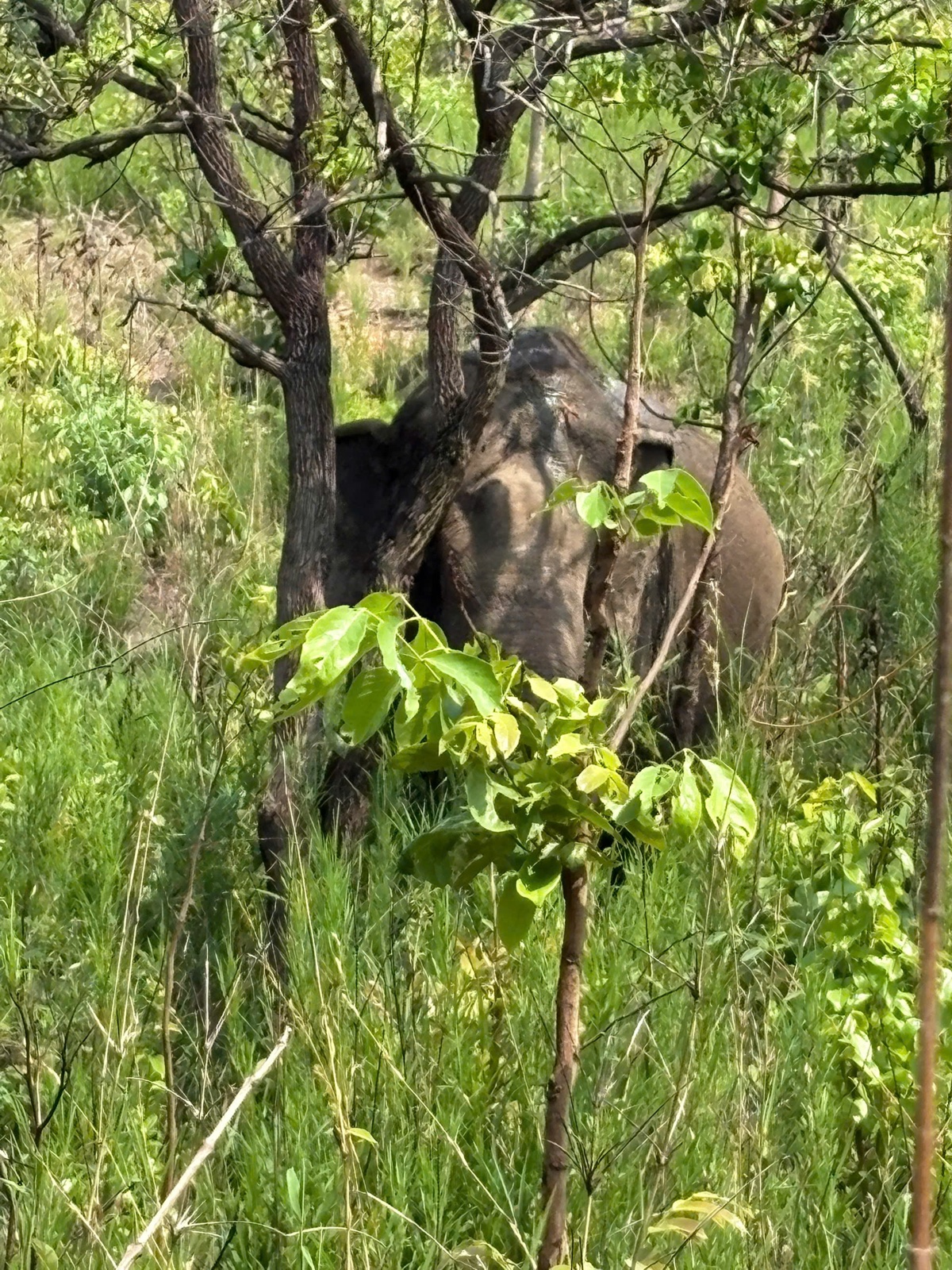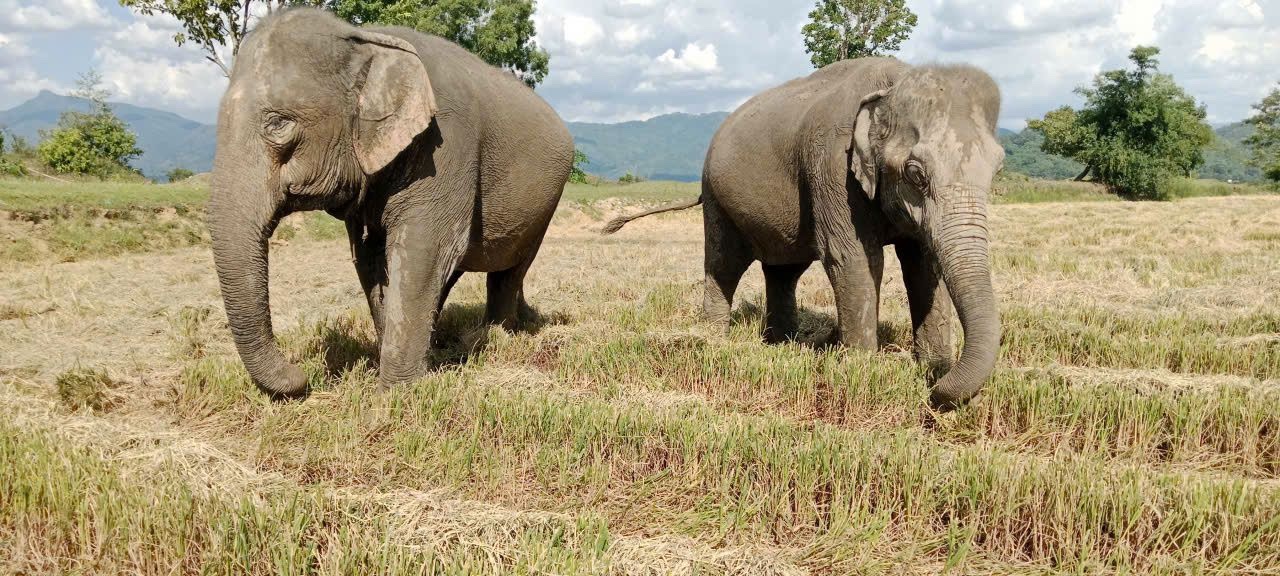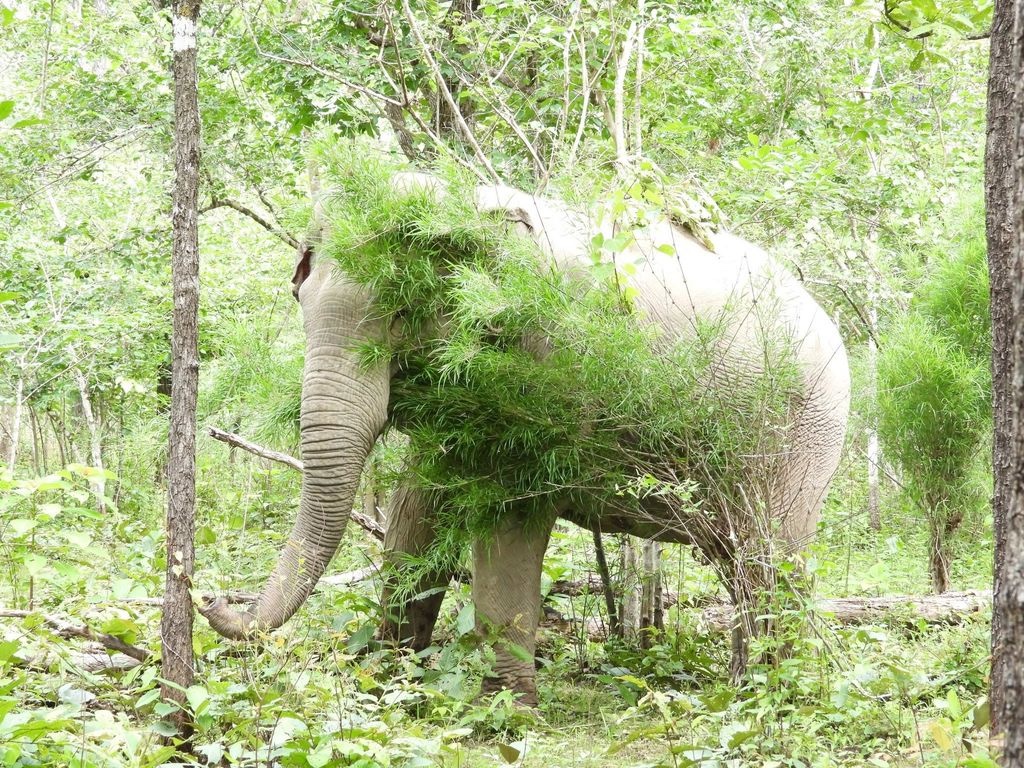
Ethical elephant tourism is not about glossy billboards or feel-good slogans. It comes down to one core question: "If we asked, what would the elephant actually want?"
Instead of designing a day around tourist check-in moments, a real sanctuary runs on the biological needs of the elephant. Below is a 5-signal filter — distilled from Dionne, a Dutch elephant-welfare specialist — that lets you tell genuine conservation from a marketing facelift in seconds.
1. The Sacred "4 NOs"
If a place calls itself a "sanctuary kingdom" but still sells any of the services below, cross it off your list:
NO riding: An elephant's spine was never built to carry a wooden saddle and a human's weight day after day.
NO hand-feeding: It distorts the elephant's diet (too much sugar and starch) and conditions them to become pushy or aggressive when demanding food.
NO touching, no petting: Elephants are not pets. Forced close contact only causes severe stress.
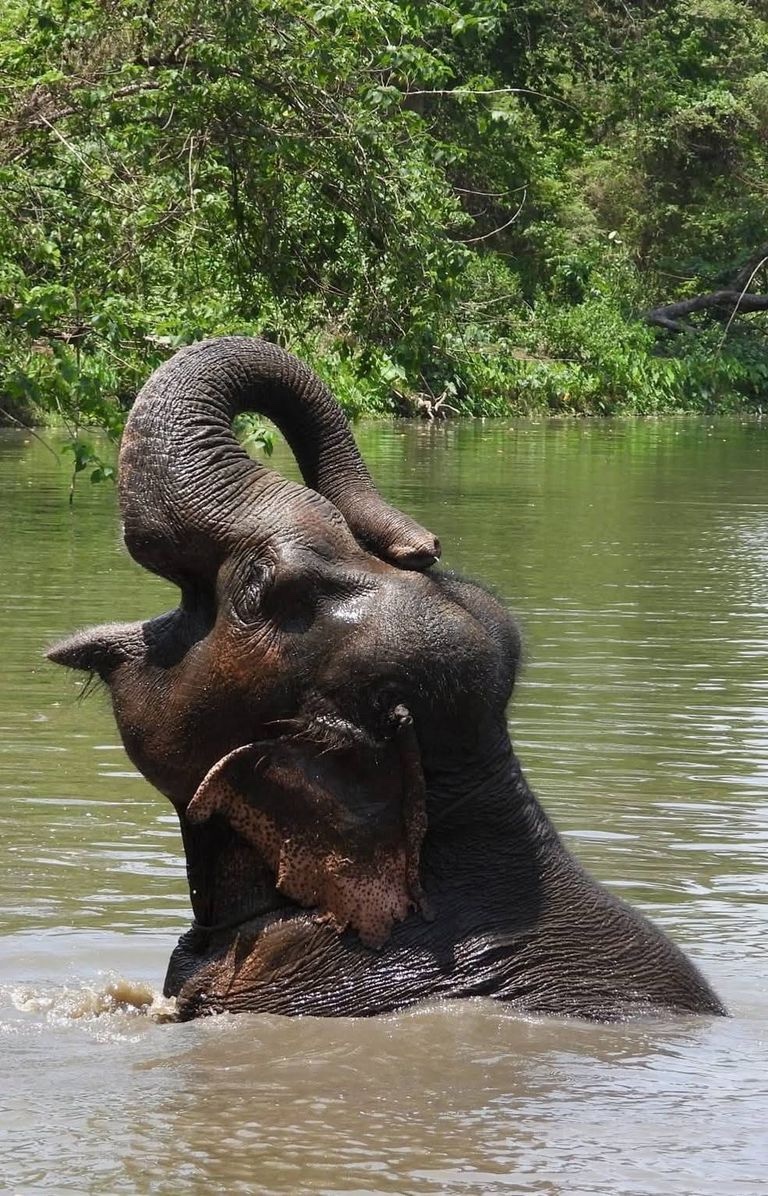
NO bathing with elephants: A muddy river is where elephants care for their bodies on a million-year instinct. Crowding into that moment robs them of private space and puts visitors in real danger if the elephant startles.
2. The Elephant Runs the Schedule
At a real sanctuary, elephants don't have a performance timetable.
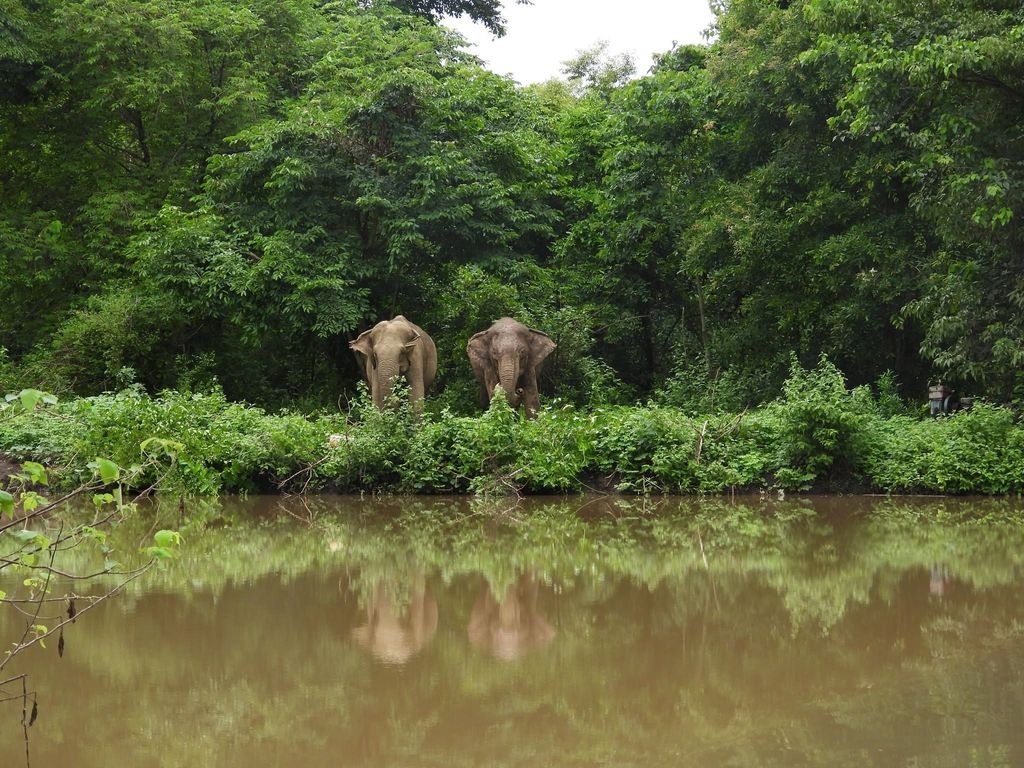
Morning: walking the forest for leaves. Midday: resting under a big shade tree. Afternoon: heading freely to the stream for a mud bath.
You walk parallel to them and observe from a safe distance of 15–20 meters. No chains. No bullhooks. No pushing.
If an individual decides to turn off the path, head deeper into the forest, and disappear from sight? That is a successful experience — the elephant is doing what it wants to do.
3. The Mahouts Are at the Center, Not Replaced
Indigenous mahouts (M'Nông and Ê Đê people) are not the source of the problem — they are the last line of defense for captive elephants.
A decent model walks alongside the mahouts, helping them convert their income from "selling elephant rides" to "guiding observation walks."
The fee for your tour is the real cost of 200–300 kg of food per elephant per day, and the livelihood of a mahout family.
4. The Forest Is a Home, Not a Stage
The elephant's home demands absolute respect:
No loud background music. No camera flash pointed at the elephant's eyes.
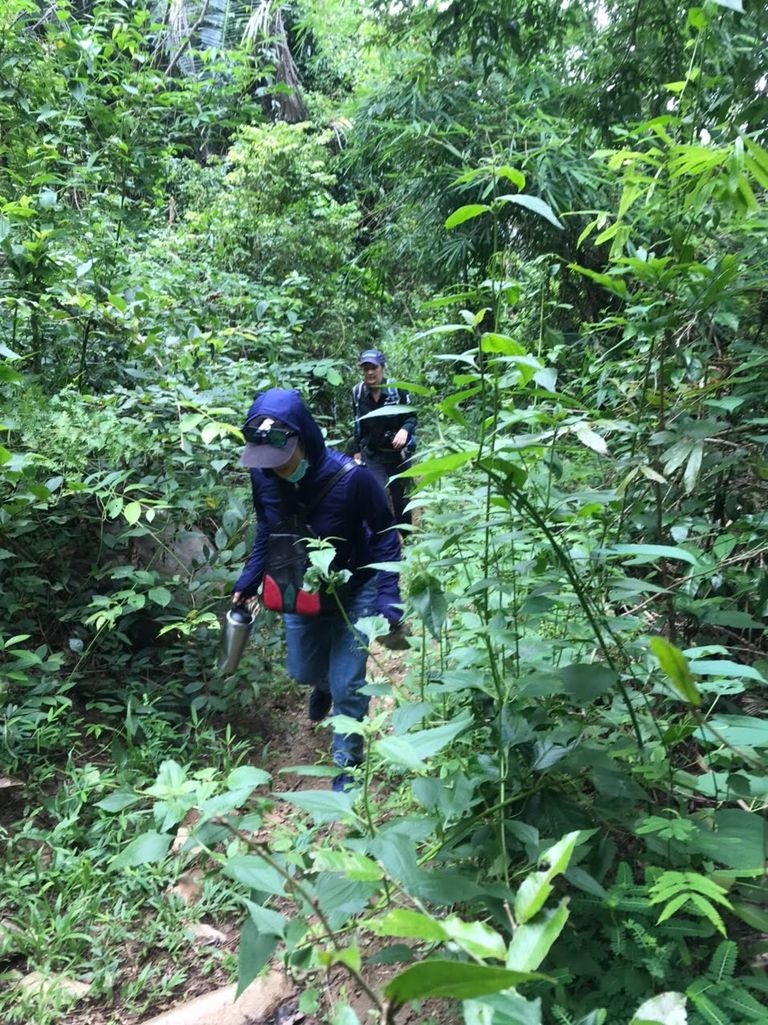
Strict daily visitor caps. During the dry season, when Central Highlands dipterocarp forest is at its most fragile, a real sanctuary will turn down large groups to avoid eroding trails and scaring off birds and wildlife.
5. Visitors Come to Learn, Not to "Watch a Show"
An ethical experience asks visitors to lower their ego and raise their patience. You are told upfront: the forest may be hot, the trail may be tiring, and the elephants may not appear. Once you let go of the "I paid, I deserve to be served" mindset, you finally get to enjoy the strange and wonderful quiet of an old forest.
A short question to carry with you when booking any elephant tour:
"In a day here, who is being served — the elephant, or me?"
If the answer is the elephant, you've picked the right place.
Lonature does not directly operate elephants. We are a connector — linking conscious visitors with friendly elephant-observation programs in Đắk Lắk. Choosing a slow trip that respects the instincts of these great old friends is how you send a strong economic signal to change the future of the last 37 captive elephants in Vietnam.
👉 Ready for a morning walking parallel to elephants in the dipterocarp forest? Explore Lonature's Elephant Experience program.